
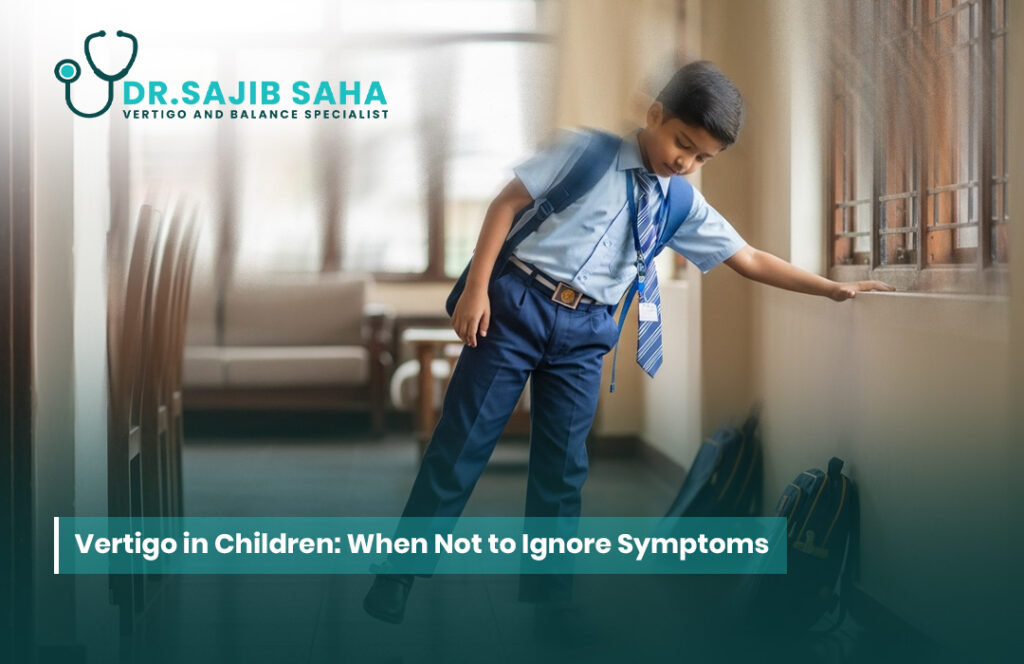
Vertigo is a sensation of spinning, tilting, or feeling off-balance. Children with vertigo may describe it as “the room is moving” or “I feel like I’m floating.” Unlike normal dizziness from fatigue or dehydration, vertigo is often linked to disturbances in the inner ear or vestibular system, which controls balance and spatial orientation.
Common Symptoms of Vertigo in Children
Recognizing vertigo early is crucial. Children may not always articulate their symptoms clearly, but common signs include:
Spinning sensation or imbalance
Frequent falls or clumsiness
Nausea or vomiting
Headaches or migraines
Sensitivity to motion
Difficulty walking or holding objects steady
Unusual eye movements (nystagmus)
Tip for parents: Keep a symptom diary noting when episodes occur, their duration, and triggers. This information helps doctors make a precise diagnosis.
Causes of Vertigo in Children
Vertigo in children can arise from various factors. Some of the most common include:
1. Benign Paroxysmal Vertigo of Childhood (BPVC)
Sudden, brief episodes of vertigo
Often occurs in children aged 2–6 years
Usually resolves by age 8
May be associated with family history of migraines
2. Vestibular Migraine
Headaches accompanied by dizziness
Often linked to nausea and visual disturbances
Can affect school performance due to frequent episodes
3. Inner Ear Infections
Otitis media (middle ear infection) can disrupt balance
Vertigo may be accompanied by ear pain or fever
4. Trauma
Head injuries or falls can affect the vestibular system
Persistent vertigo post-injury should always be evaluated
5. Other Causes
Rare neurological conditions
Medication side effects
Metabolic or systemic disorders
When to Seek Medical Help
While some dizziness may be benign, certain signs should never be ignored:
Vertigo lasting more than a few minutes
Persistent vomiting
Severe headache or eye movement abnormalities
Difficulty walking or speaking
Hearing loss or ringing in the ears
Loss of consciousness
Early intervention is key to prevent complications, support development, and maintain your child’s safety.
Diagnosis of Vertigo in Children
Diagnosing vertigo in children requires a comprehensive evaluation. Dr. Sajib Saha, a specialist in balance disorders, follows a step-by-step approach:
Medical History: Reviewing symptom patterns, family history, and recent illnesses
Physical Examination: Assessing balance, coordination, and eye movements
Vestibular Tests: Tests like VNG (Videonystagmography) or caloric testing evaluate inner ear function
Imaging (if needed): MRI or CT scans to rule out neurological causes
Treatment Options for Pediatric Vertigo
Treatment depends on the underlying cause. Common approaches include:
1. Vestibular Rehabilitation Therapy
Exercises to improve balance and coordination
Helps retrain the brain to adapt to inner ear dysfunction
2. Medication
Anti-nausea or migraine medications may be prescribed for specific conditions
Always guided by a pediatric ENT or neurologist
3. Lifestyle Modifications
Adequate hydration
Balanced diet
Regular sleep patterns
Limiting screen time during vertigo episodes
4. Surgical Intervention (Rare Cases)
Only for structural inner ear issues or severe vestibular disorders
Tips for Parents to Support Their Children
Monitor episodes carefully: Note triggers and duration
Provide a safe environment: Prevent falls during dizzy spells
Educate your child: Teach them to sit or lie down when feeling dizzy
Regular check-ups: Schedule follow-ups with a pediatric ENT or vestibular specialist
Conclusion
Vertigo in children is not always harmless. Early recognition, proper diagnosis, and timely treatment are essential to safeguard your child’s health and development. Parents should remain vigilant and consult specialists like Dr. Sajib Saha if they notice recurrent or severe symptoms.
With proper care, most children recover fully, regaining their balance and confidence in everyday activities. Don’t ignore persistent dizziness—early intervention can make all the difference.