
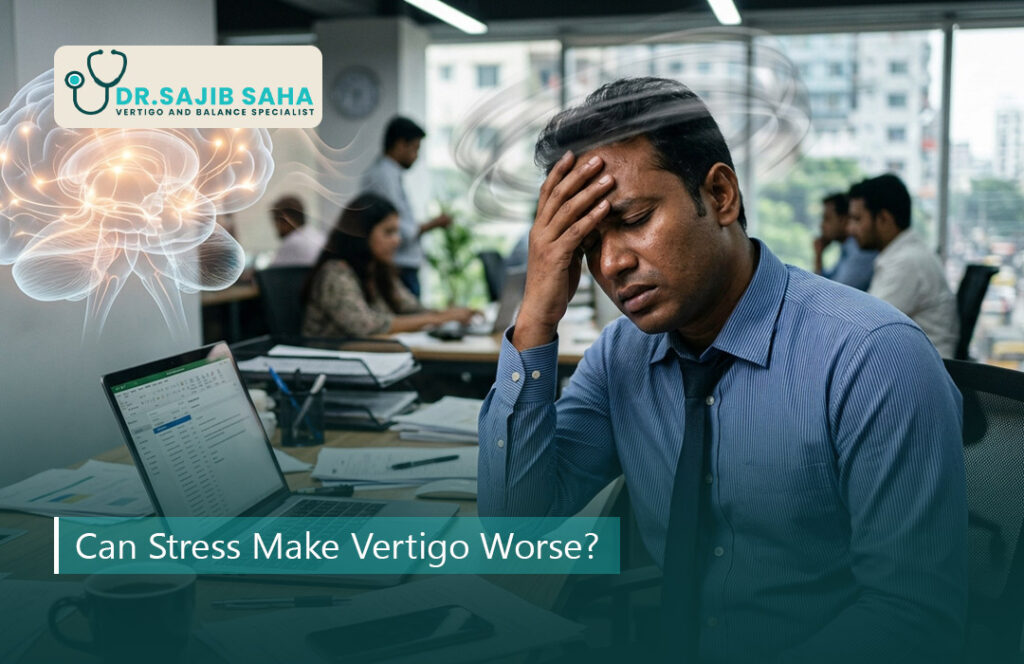
If you’ve ever noticed that your vertigo symptoms flare up during a particularly stressful week at work, before an important exam, or during a period of emotional turmoil, you’re not imagining things. There is a well-documented, bidirectional relationship between stress and vertigo. Not only can stress trigger or worsen vertigo episodes, but living with chronic vertigo can itself become a significant source of stress and anxiety, creating a vicious cycle. In this comprehensive guide, we’ll explore the science behind this connection, identify the mechanisms involved, and provide practical strategies to break the cycle.
Understanding Vertigo First
Vertigo is the sensation that you or your surroundings are spinning or moving when there is no actual movement. It differs from general dizziness, which is a vaguer sense of unsteadiness or lightheadedness. Vertigo is typically caused by problems in the inner ear (peripheral vertigo) or the brain (central vertigo), and common causes include Benign Paroxysmal Positional Vertigo (BPPV), Meniere’s disease, vestibular neuritis, and vestibular migraine.
The Stress-Vertigo Connection: What Science Says
The Role of the Autonomic Nervous System
Our body’s stress response is governed by the autonomic nervous system, particularly the sympathetic “fight-or-flight” branch. When we experience stress, the body releases cortisol and adrenaline, which increase heart rate, alter blood flow, and heighten sensory sensitivity. The vestibular system, which controls balance, is closely interconnected with the areas of the brain that process emotion and stress, including the amygdala and hypothalamus. This means that psychological stress can directly influence how the vestibular system functions.
The Vestibular-Limbic Connection
Research has identified strong neural pathways connecting the vestibular system to the limbic system, the brain’s emotional center. This explains why people with vestibular disorders often experience heightened anxiety, and conversely, why people experiencing high anxiety often report dizziness and balance problems, even without any underlying inner ear pathology.
Muscle Tension and Blood Flow
Chronic stress often leads to muscle tension, particularly in the neck and shoulders. This tension can restrict blood flow and put pressure on nerves that affect balance signals traveling between the inner ear and the brain, potentially triggering or worsening vertigo symptoms.
Hyperventilation
During periods of anxiety or panic, many people unconsciously hyperventilate, breathing more rapidly and shallowly than normal. This changes the balance of oxygen and carbon dioxide in the blood, which can produce lightheadedness and a sensation similar to vertigo.
Stress as a Trigger for Specific Vertigo Conditions
Vestibular Migraine
Vestibular migraine is one of the most stress-sensitive forms of vertigo. Stress is among the most commonly reported triggers for vestibular migraine episodes, alongside poor sleep, certain foods, and hormonal changes. Many patients report that high-stress periods directly precede their worst episodes.
Meniere’s Disease
While the exact cause of Meniere’s disease involves fluid buildup in the inner ear, stress is widely recognized by patients and clinicians as a significant trigger that can precipitate acute attacks or worsen the frequency and severity of episodes.
Persistent Postural-Perceptual Dizziness (PPPD)
PPPD is a relatively newly classified chronic vestibular disorder that is strongly linked to anxiety and stress. It often develops after an initial vertigo-triggering event (like BPPV or vestibular neuritis) but persists long after the original cause resolves, largely maintained by anxiety, hypervigilance about symptoms, and stress.
BPPV and Stress
While BPPV itself is a mechanical issue caused by displaced calcium crystals in the inner ear, stress can lower the threshold at which symptoms are noticed and can make recovery feel more difficult due to heightened symptom awareness and muscle tension.
The Vicious Cycle: How Vertigo Causes More Stress
Living with recurring vertigo episodes creates its own psychological burden:
- Fear of falling leads many people to avoid activities, movement, or situations, creating anticipatory anxiety
- Unpredictability of episodes causes chronic low-level stress and hypervigilance
- Social isolation may develop as people avoid situations that might trigger symptoms
- Sleep disruption from anxiety further worsens vestibular symptoms
- Catastrophic thinking about symptoms amplifies the perceived severity of episodes
This creates a self-reinforcing loop: stress worsens vertigo, vertigo increases stress and anxiety, which further worsens vertigo.
How to Break the Stress-Vertigo Cycle
1. Practice Diaphragmatic Breathing
Deep, slow breathing from the diaphragm activates the parasympathetic nervous system, counteracting the fight-or-flight response. Practicing this for even five minutes daily can help regulate your body’s stress response and may reduce hyperventilation-related dizziness.
2. Progressive Muscle Relaxation
Since muscle tension, especially in the neck, can contribute to vertigo symptoms, systematically tensing and relaxing muscle groups can help release physical stress that may be exacerbating balance issues.
3. Vestibular Rehabilitation Therapy (VRT)
VRT is a specialized form of physical therapy designed to help the brain compensate for vestibular deficits. It’s particularly effective for chronic dizziness and can also help reduce anxiety related to movement and balance.
4. Cognitive Behavioral Therapy (CBT)
CBT has strong evidence supporting its effectiveness for conditions like PPPD and anxiety-related dizziness. It helps patients reframe catastrophic thinking about symptoms and reduce avoidance behaviors that maintain the anxiety-vertigo cycle.
5. Regular Physical Exercise
Moderate, regular exercise reduces overall stress hormone levels, improves cardiovascular health, and can help desensitize the vestibular system over time, provided it’s introduced gradually and doesn’t trigger symptoms initially.
6. Prioritize Sleep Hygiene
Poor sleep is both a consequence of stress and a trigger for vertigo, particularly vestibular migraine. Maintaining consistent sleep schedules and good sleep hygiene practices can significantly reduce symptom frequency.
7. Mindfulness and Meditation
Mindfulness practices help reduce hypervigilance about bodily sensations, which is particularly important for conditions like PPPD where excessive focus on dizziness symptoms perpetuates the condition.
8. Limit Stimulants
Caffeine, nicotine, and other stimulants can increase anxiety and heart rate, potentially worsening both stress and vertigo symptoms.
9. Identify and Manage Life Stressors
Working with a therapist or counselor to address underlying sources of chronic stress—whether work-related, relationship-based, or financial—can have downstream benefits for vestibular symptoms.
When to Seek Professional Help
While stress management techniques can be very effective, it’s important to consult a healthcare provider if:
- Vertigo episodes are frequent, severe, or worsening
- You experience hearing loss or tinnitus alongside vertigo
- Symptoms are accompanied by severe headache, vision changes, or difficulty speaking
- Vertigo significantly interferes with daily activities or work
- You notice increasing anxiety or avoidance behaviors related to your symptoms
A healthcare provider, which may include an ENT specialist, neurologist, or vestibular therapist, can help determine whether there’s an underlying physical cause that needs specific treatment, separate from or alongside stress management.
Real-Life Patterns: How Stress-Related Vertigo Shows Up
Understanding the theory is helpful, but recognizing how stress-vertigo interactions play out in daily life can make the connection feel more concrete. Many patients describe a familiar pattern: weeks of high pressure at work or in personal life pass without any physical symptoms, and then, seemingly out of nowhere, a wave of dizziness strikes during a quiet moment, such as lying down at night or sitting at a desk. This delayed onset often confuses people, who don’t immediately connect their symptoms to the stress they experienced days or even weeks earlier. In reality, the body’s stress response can have a cumulative effect, gradually lowering the threshold for vestibular symptoms until a seemingly minor trigger, like a poor night’s sleep or a stressful email, pushes the system over the edge.
Others notice a more immediate pattern, where an argument, a public speaking event, or a sudden shock brings on lightheadedness or a spinning sensation within minutes. This immediate-onset pattern is often linked to the acute activation of the sympathetic nervous system and hyperventilation, whereas the delayed pattern is more consistent with cumulative cortisol exposure and its effects on inflammation and nervous system sensitivity.
The Role of Cortisol in Vestibular Function
Cortisol, often called the body’s primary stress hormone, plays a complex role in vestibular health. In short bursts, cortisol helps the body respond effectively to challenges. However, chronically elevated cortisol levels, which are common in people experiencing ongoing stress, have been associated with increased inflammation throughout the body, including in the delicate structures of the inner ear. Some researchers believe that this low-grade inflammation may contribute to increased sensitivity of the vestibular hair cells, making them more reactive to normal stimuli and potentially triggering or prolonging vertigo episodes.
Additionally, cortisol has a documented relationship with sleep architecture. Elevated stress hormones can disrupt deep sleep stages, and since sleep is when much of the brain’s vestibular recalibration and healing occurs, chronic stress can indirectly impair the body’s natural ability to compensate for vestibular imbalances.
Stress, the Gut, and the Inner Ear: An Unexpected Link
Emerging research into the gut-brain axis has opened up new understanding of how stress affects the entire body, including balance systems. Chronic stress alters gut microbiome composition and increases intestinal permeability, sometimes referred to as “leaky gut.” This can lead to systemic low-grade inflammation, which some researchers suspect may have downstream effects on neuroinflammatory processes that influence vestibular function. While this area of research is still developing, it offers another lens through which to understand why comprehensive stress management, including dietary considerations, may play a role in vertigo management.
Occupational and Lifestyle Stress Factors
Certain lifestyle patterns are particularly associated with stress-related vertigo flare-ups:
High-Pressure Work Environments
Jobs involving tight deadlines, high responsibility, irregular hours, or frequent screen use often correlate with higher rates of reported dizziness and vestibular migraine episodes among affected individuals.
Irregular Sleep Schedules
Shift workers and individuals with inconsistent sleep patterns often report more frequent and severe vertigo episodes, likely due to the combined effects of circadian disruption and elevated stress hormones.
Caregiving Responsibilities
Individuals caring for children, aging parents, or family members with chronic illness often experience sustained, low-grade chronic stress that can contribute to persistent dizziness symptoms over time.
Financial Stress
Ongoing financial pressure is one of the most commonly cited stressors among patients with stress-sensitive vertigo conditions, likely due to its chronic, unresolved nature.
Building a Personalized Stress-Vertigo Management Plan
Because everyone’s triggers and symptom patterns differ, an effective management approach often benefits from personalization. Here’s a framework for building your own plan:
Step 1: Track Your Patterns
Keep a simple daily log noting stress levels, sleep quality, symptom severity, and any potential triggers like caffeine, certain foods, or weather changes. Over several weeks, patterns often emerge that can guide more targeted interventions.
Step 2: Identify Your Primary Stress Sources
Distinguish between acute stressors (a single stressful event) and chronic stressors (ongoing situations like a difficult job or relationship). Each may require different management strategies.
Step 3: Layer Multiple Interventions
Rather than relying on a single technique, combine approaches: for example, pairing daily breathing exercises with weekly vestibular rehabilitation sessions and monthly check-ins with a therapist addressing chronic stressors.
Step 4: Set Realistic Expectations
Improvement in stress-related vertigo is often gradual rather than immediate. Tracking small improvements over weeks and months, rather than expecting instant relief, helps maintain motivation and reduces frustration that could itself become a new source of stress.
Step 5: Build a Support System
Whether through family, friends, support groups, or online communities of people managing similar conditions, social support has been shown to buffer the physiological effects of stress and can be an important component of long-term management.
The Importance of Addressing Both Physical and Psychological Components
One of the most important takeaways for anyone dealing with stress-related vertigo is that effective treatment often requires addressing both the physical and psychological dimensions of the condition simultaneously. Treating only the physical symptoms with medication while ignoring underlying stress and anxiety often leads to incomplete or temporary relief. Conversely, focusing solely on psychological interventions without ruling out or treating underlying vestibular pathology can leave physical triggers unaddressed. The most effective approach typically involves a multidisciplinary team, which may include a primary care physician, an ENT specialist or neurologist, a vestibular physical therapist, and a mental health professional trained in anxiety or chronic illness management.
A Note on Resilience and Recovery
It’s worth emphasizing that the majority of people who experience stress-related vertigo do see significant improvement with appropriate treatment and lifestyle adjustments. The brain’s capacity for adaptation, known as neuroplasticity, means that with consistent practice of vestibular exercises and stress management techniques, many people are able to substantially reduce both the frequency and intensity of their symptoms over time. Recovery is rarely linear, and occasional setbacks during particularly stressful periods are common and should not be seen as failures, but rather as an expected part of the process.
Practical Strategies for Managing Vertigo Triggers at Work
Since work-related stress is one of the most commonly reported triggers for vertigo flare-ups, it’s worth exploring specific strategies for managing symptoms in professional settings.
Micro-Breaks for Nervous System Reset
Taking short, scheduled breaks throughout the workday, even just sixty to ninety seconds of focused breathing or stepping away from a screen, can prevent the gradual accumulation of stress hormones that often precedes a vertigo episode. Setting a recurring reminder every hour can help build this habit without requiring significant time investment.
Managing Screen-Related Triggers
For many people with vestibular sensitivities, prolonged screen use, particularly scrolling or rapidly changing visual content, can worsen dizziness. Adjusting screen brightness, increasing text size, taking regular visual breaks using the 20-20-20 rule (every 20 minutes, look at something 20 feet away for 20 seconds), and minimizing unnecessary browser tabs or notifications can reduce this visual stress load.
Communicating with Employers and Colleagues
Many people hesitate to disclose their vertigo condition at work due to fear of judgment. However, having a brief, matter-of-fact conversation with a supervisor about needing occasional breaks or flexibility during flare-ups can reduce the anxiety of having to hide symptoms, which itself often exacerbates the stress-vertigo cycle.
Creating a Calm Workspace
Where possible, minimizing harsh fluorescent lighting, reducing visual clutter, and creating a workspace that feels calm and organized can lower baseline sensory stress, which may help reduce vestibular symptom triggers over the course of the day.
Time Management and Realistic Workloads
Chronic overcommitment is a significant contributor to sustained stress. Learning to set realistic deadlines, delegate when possible, and say no to non-essential additional responsibilities can meaningfully reduce the chronic stress load that contributes to vertigo flare-ups.
The Bigger Picture: Stress Management as Preventive Healthcare
It’s worth stepping back to consider stress management not simply as a reactive tool for when vertigo symptoms flare, but as a proactive form of preventive healthcare. Just as regular exercise and a balanced diet reduce the risk of numerous chronic conditions, ongoing attention to stress levels can reduce the frequency and severity of vertigo episodes over the long term, even during periods when symptoms are currently well-controlled. Building stress-resilience practices into daily life, rather than only turning to them during a crisis, tends to produce more durable, long-lasting improvements in vestibular health and overall quality of life.
Frequently Asked Questions (FAQ)
Q: Can anxiety alone cause vertigo without any physical inner ear problem? A: Yes, anxiety and panic disorders can cause dizziness and vertigo-like sensations through mechanisms like hyperventilation and heightened sensory processing, even without underlying vestibular pathology.
Q: Is stress-induced vertigo dangerous? A: While uncomfortable and disruptive, stress-related dizziness is generally not dangerous. However, it’s important to rule out other causes through proper medical evaluation, especially if symptoms are severe or accompanied by other neurological signs.
Q: How long does it take for stress-related vertigo to improve? A: This varies by individual, but with consistent stress management techniques and, if needed, professional treatment like CBT or VRT, many people see meaningful improvement within several weeks to a few months.
Q: Can children experience stress-related vertigo too? A: Yes, children can experience dizziness related to anxiety or stress, particularly around exams, family changes, or social pressures at school. As with adults, addressing the underlying emotional stress alongside any physical symptoms tends to produce the best outcomes.
Q: Should I avoid exercise if stress makes my vertigo worse? A: Not necessarily. While intense or sudden movements might need to be introduced gradually, regular moderate exercise is generally beneficial for both stress reduction and vestibular health. It’s best to start slowly and under guidance if you’re unsure where to begin.
Q: Is there a specific type of therapist who specializes in stress-related vertigo? A: Vestibular physical therapists specialize in the physical rehabilitation side, while psychologists or counselors trained in health anxiety or chronic illness can address the psychological components. Some specialized dizziness clinics offer integrated care combining both approaches under one roof.
Q: Can improving my stress levels alone cure my vertigo? A: For some people, particularly those with conditions like PPPD where anxiety plays a central role, stress reduction alone can lead to substantial improvement. For others with a distinct underlying physical cause, such as BPPV or Meniere’s disease, stress management is an important complementary strategy but usually needs to be paired with condition-specific treatment.
Conclusion
The relationship between stress and vertigo is real, well-documented, and bidirectional. Stress can trigger vertigo through multiple physiological pathways, including autonomic nervous system activation, muscle tension, hyperventilation, elevated cortisol, and disrupted sleep, while chronic vertigo itself can generate ongoing anxiety and stress that further intensifies symptoms. Understanding this connection is the first step toward breaking the cycle of anxiety and dizziness that many vertigo sufferers experience.
Rather than viewing stress and vertigo as two separate issues, it’s often more helpful to think of them as intertwined aspects of the same overall condition, both of which deserve attention in any effective treatment plan. By combining practical stress management techniques such as breathing exercises, mindfulness, and lifestyle adjustments with appropriate medical evaluation, vestibular rehabilitation, and, where needed, professional psychological support, most people can significantly reduce both the frequency and severity of their symptoms. Recovery takes time and patience, but with the right combination of strategies, it is entirely possible to reclaim a sense of stability, confidence, and control over both your balance and your overall wellbeing.
Disclaimer: This article is for general informational purposes only and is not a substitute for professional medical advice. If you are experiencing persistent or severe vertigo, please consult a qualified healthcare provider.